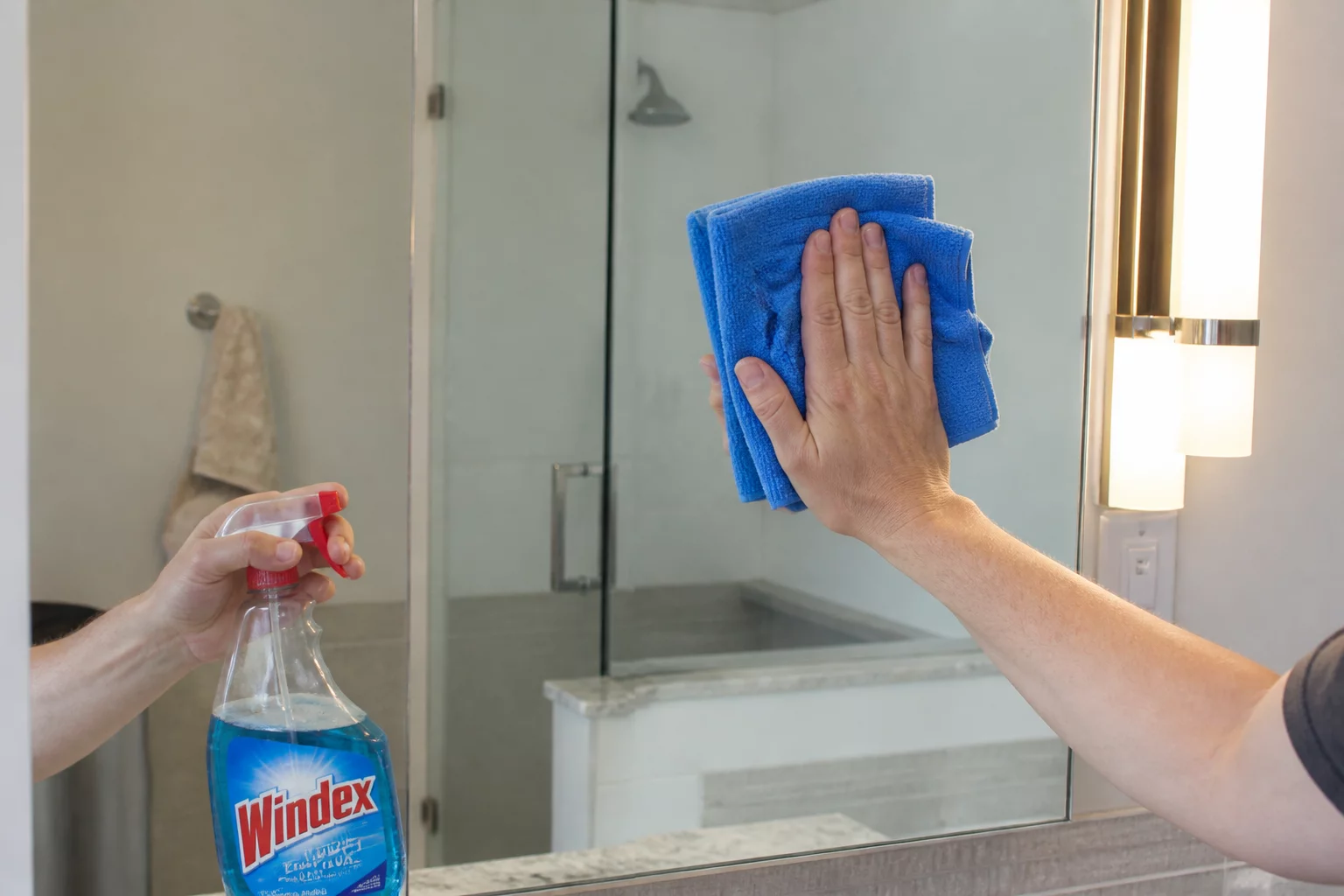
Mirrors represent both functional household assets and delicate architectural centerpieces. Over time, airborne dust, bathroom condensation, cosmetic overspray, and improper cleaning chemicals can degrade the silver backing, cause cloudy hazing, and result in irreversible black edge rot. Following a structured care routine protects your investment while guaranteeing brilliant optical fidelity day after day.
Refining Spatial Perspective & Ambient Illumination
Proper mirror preservation goes far beyond wiping off surface fingerprints. The silver and copper coatings that give mirrors their reflective qualities are vulnerable to moisture infiltration along the glass perimeter. When liquids pool inside bevelled edges or behind ornamental frames, oxidation begins and gradually eats away the reflective backing. Maintaining dry borders and using pH-neutral solutions ensures your mirrors remain crystal clear for decades.
Key Principles for Architectural Mirror Selection
- Opt for distortion-free, high-grade copper-free glass to preserve authentic light clarity.
- Match frame finishes to primary tactile accents such as muted brass, brushed nickel, or organic timber.
- Position mirrors perpendicular to major light apertures to amplify ambient luminance without harsh glare.
- Maintain balanced vertical clearance from floor baseboards to establish grounded aesthetic proportions.
"A well-placed mirror is not merely an accessory; it is an architectural portal that brings dynamic atmospheric shifts and radiant daylight into the core of your home."
— Trips Mirrors Design StudioCare and Material Longevity
Maintaining the pure luminosity of silver-backed glass requires gentle care practices. Avoid harsh ammonia-based solvents that can penetrate perimeter seals, and always clean using microfiber textiles dampened with purified warm water. Never spray liquids directly onto the mirror surface. Instead, mist a clean microfiber cloth lightly to prevent moisture from dripping down into the bottom frame joints where desilvering most commonly occurs.